

The IRS and the courts have invalidated penalties where the IRS fails to obtain IRS manager approval before assessing the penalty. It has done so in cases where the penalties are manually assessed by IRS personnel. But what about penalties that are automatically assessed by the IRS’s computers? The court addresses this in Atl &… Continue reading Is IRS Manger Approval Required for Computer Generated Penalties?
Category: IRS Penalties
About IRS Penalties
There are hundreds of different penalties the IRS can assess. The IRS often assesses penalties automatically, even when penalties should not be applied. Most penalties can be abated or removed due to special circumstances, such as hardship or reasonable cause.
If you are not familiar with IRS penalties, please visit this page for an overview of IRS penalties and this page how we can help remove IRS penalties.
This page provides detailed analysis of various aspects of IRS penalties.
If you are looking for information about a particular type of IRS penalty, you can narrow the articles down to that penalty by selecting from the following subtopics:
Accuracy Penalties, Filing & Payment Penalties, Foreign Penalties, Fraud Penalties, Reportable Transactions, Tax Return Preparer Penalty, Trust Fund Penalties, and the Reasonable Cause Defense.
You can also give us a call at (713) 909-4906 if you need help with an IRS penalty.
Loaning Money to Business Triggers Trust Fund Penalty

You work hard to build a business, you find success over the years, and then you find out that your long term accountant did not remit payroll taxes and you owe a significant balance. What do you do? The recent McClendon v. United States, No. 17-20174 (5th Cir. 2018) case provides some answers. The Facts & Procedural… Continue reading Loaning Money to Business Triggers Trust Fund Penalty
Court Rejects the ‘Taking All Necessary Steps’ Defense to Penalties

If you take all of the steps to prepare and remit a tax return to the IRS except for placing it in the mail, is this sufficient to avoid a failure to timely file penalty? There is case law suggesting that it may be in some circumstances. The U.S. Tax Court recently addressed this in… Continue reading Court Rejects the ‘Taking All Necessary Steps’ Defense to Penalties
IRS Penalties for Late-Filed Forms 5471

The Dewees v. United States, 16-cv-01579 (D.D.C. 2017) case is a good reminder that late-filed Forms 5471 should include reasonable cause statements. These statements can be submitted under the IRS’s Delinquent International Information Return Submission Procedures to avoid penalties being assessed. The Facts and Circumstances in Dewees Dewees is a U.S. citizen who lived in… Continue reading IRS Penalties for Late-Filed Forms 5471
Penalty Abatement for Reliance on Tax Advisor Who Made Obvious Errors

The IRS often willing to abate or remove tax penalties. To do so, taxpayers usually have to show that they acted with reasonable cause and in good faith. Relying on a competent tax professional can be one way taxpayers can make this showing. But what exactly is a competent tax professional? The court addressed this… Continue reading Penalty Abatement for Reliance on Tax Advisor Who Made Obvious Errors
Do You Have to Use the IRS’s Official Forms?
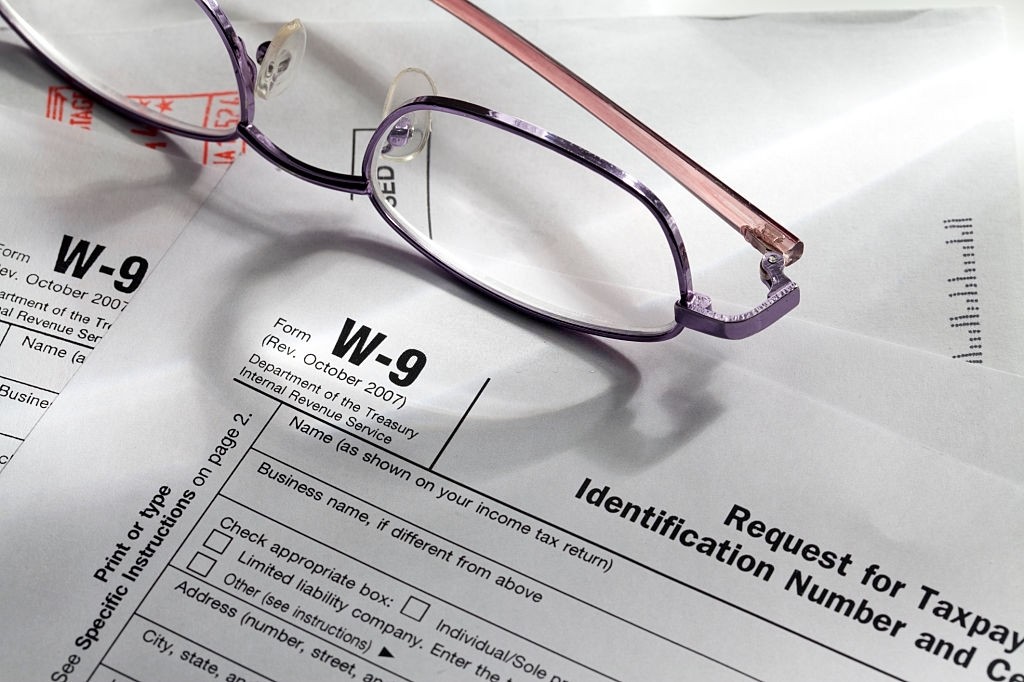
Do taxpayers have to use the official forms published by the IRS? In May v. United States, No. 15-16599 (9th Cir. 2017), the court considered whether a taxpayer is subject to the listed transaction penalty if he fails to file the IRS’s reportable transaction form, but the IRS is otherwise furnished with all of the information… Continue reading Do You Have to Use the IRS’s Official Forms?
IRS Must Refund Penalties Despite Tax Malpractice Recovery

Can the IRS withhold or set off a penalty refund owing to a taxpayer if the taxpayer has already recovered the amount in excess of the penalty from its tax attorney for malpractice? The court considered this in Ervin v. United States, No. 4:13-CV-00127-JHM (W.D. Ky. 2017). Facts & Procedural History Ervin participated in a tax shelter… Continue reading IRS Must Refund Penalties Despite Tax Malpractice Recovery
Reckless Conduct Sufficient for FBAR Civil Tax Penalty

It is not clear as to what level of conduct justifies the imposition of the $100,000+ foreign bank account reporting (“FBAR”) civil tax penalty. In Bedrosian v. United States, No. 15-5853 (E.D. Pa. 2017), the court considered whether reckless conduct is sufficient given the facts presented in the case. The FBAR Civil Tax Penalty The… Continue reading Reckless Conduct Sufficient for FBAR Civil Tax Penalty
Computing the Reportable Transaction Penalty

The Section 6707A reportable transaction penalty can be difficult to work with given the more limited avenues for contesting the penalty. The court addressed this in Bitter v. Commissioner, T.C. Memo. 2017-46, in the context of a Section 412(i) plan. Tax advisors have been waiting for an answer to the very question of how to… Continue reading Computing the Reportable Transaction Penalty
Check Signing Activity Not Sufficient for Trust Fund Penalty

The IRS will often assert trust fund recovery penalties against anyone who signs checks written on the business checking account. The court addressed this in Shaffran v. Commissioner, T.C. Memo. 2017-35, concluding that some check signing activity alone is not sufficient to impose a trust fund recovery penalty. The case provides some insight as to… Continue reading Check Signing Activity Not Sufficient for Trust Fund Penalty