

The failure to pay penalty is one of the most commonly assessed penalties. The penalty does not apply and can be abated or removed if the taxpayer can establish that the failure to pay is due to reasonable cause and not to willful neglect. But how do you establish reasonable cause? In C1 Design Group, LLC… Continue reading Proof of Cash on Hand to Abate Failure to Pay Penalty
Category: Reasonable Cause
Court Revisits Reasonable Cause for Abating Penalties
The U.S. Supreme Court has made it clear that taxpayers cannot avoid penalties by blindly rely on tax advisors to file tax returns and make tax payments. These situations are unfortunate. The court in Specht v. United States, No. 15-3095 (6th Cir. 2016) highlights one way that taxpayers may be able to avoid the bright […]
The post Court Revisits Reasonable Cause for Abating Penalties appeared first on Houston Tax Attorney: Texas Lawyer.
Court Revisits Reasonable Cause Abating Penalties

The U.S. Supreme Court has made it clear that taxpayers cannot avoid penalties by blindly rely on tax attorneys to file tax returns and make tax payments. These situations are unfortunate. The court in Specht v. United States, No. 15-3095 (6th Cir. 2016) highlights one way that taxpayers may be able to avoid the bright… Continue reading Court Revisits Reasonable Cause Abating Penalties
Facts Needed to Abate Penalties Based on Reasonable Cause
Taxpayers often contest penalties by arguing that their failures were due to reasonable cause. Many of these penalty abatement requests are resolved at the administrative level. The cases that end up being litigated typically do not have the best facts…
What Facts are Needed to Abate Penalties?

The IRS is authorized to abate penalties for reasonable cause. There is no set of standard facts or factors that show reasonable cause. Taxpayers have made various arguments, with the IRS and courts rejecting most of them. How bad does life have to be for there to be reasonable cause? The court addresses this in… Continue reading What Facts are Needed to Abate Penalties?
Reasonable Cause Defense for Penalty Waives Privilege

In Eaton Corporation & Subsidiaries v. Commissioner, the U.S. Tax Court concluded that raising the reasonable cause/good faith defense to tax penalties waived the work product, attorney-client, and federal tax practitioner privileges. This is a serious issue that has to be considered when submitting penalty abatement requests based on a reasonable cause defense. APA (Advance… Continue reading Reasonable Cause Defense for Penalty Waives Privilege
Wife Can Rely on Husband (to Avoid a Tax Penalty)

Marriage can be challenging. This is particularly true when it comes to finances. And it is even more so when it comes to taxes. But what if a spouse reports something wrong? Can the other spouse get out of penalties for the wrong doing? The court answers this in Miller v. Commissioner, T.C. Summary Opinion 2014-74,… Continue reading Wife Can Rely on Husband (to Avoid a Tax Penalty)
Abate Tax Penalties for Anxiety & Depression for 911 Attacks

Can tax penalties be abated for anxiety and depression due to the death of a spouse to cancer and the September 11, 2001 terrorist attacks on the World Trade Center? The court addressed this in Kwosh v. Commissioner, T.C. Memo. 2008-204, in light of the 10 percent addition to tax on early retirement distributions and… Continue reading Abate Tax Penalties for Anxiety & Depression for 911 Attacks
Taxpayer Cannot Rely on Incompetent Tax Attorney

The IRS can impose a number of different types of penalties. It often does so when it should not. The recent Wilson v. Commissioner, T.C. Summary Opinion 2008-91, case considers a situation where the court concludes that the tax attorney was incompetent and could not be relied on to avoid the imposition of penalties. Facts &… Continue reading Taxpayer Cannot Rely on Incompetent Tax Attorney
Missing Form 1099 May Establish Reasonable Cause
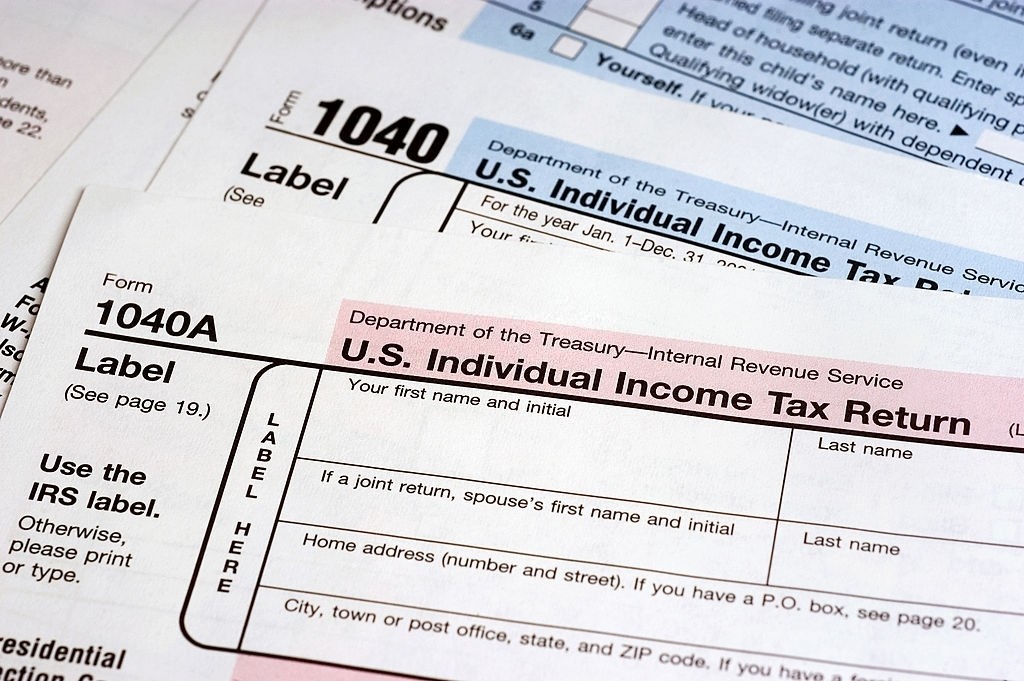
If you do not receive a Form 1099 to report income to you and you omit it from your tax return, are you liable for penalties if the IRS later notices the issue and makes an adjustment? The Mabinuori v. Commissioner, T.C. Summary Opinion 2006-109, case provides an opportunity to consider this question. Facts & Procedural… Continue reading Missing Form 1099 May Establish Reasonable Cause